Qu'est-ce qu'une boîte inversée ? Structure, matériaux et guide d'achat expliqués
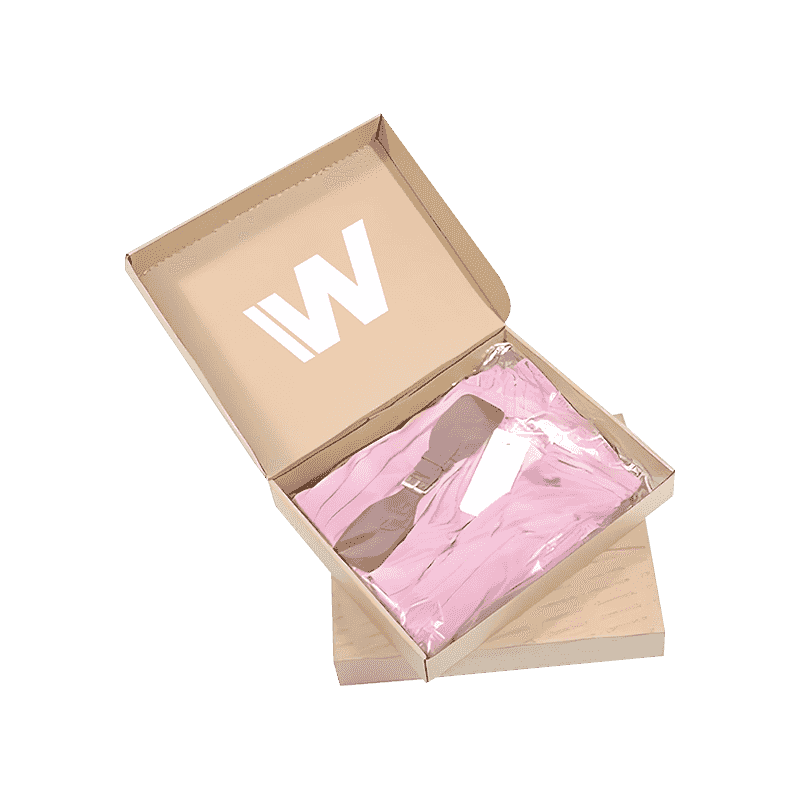
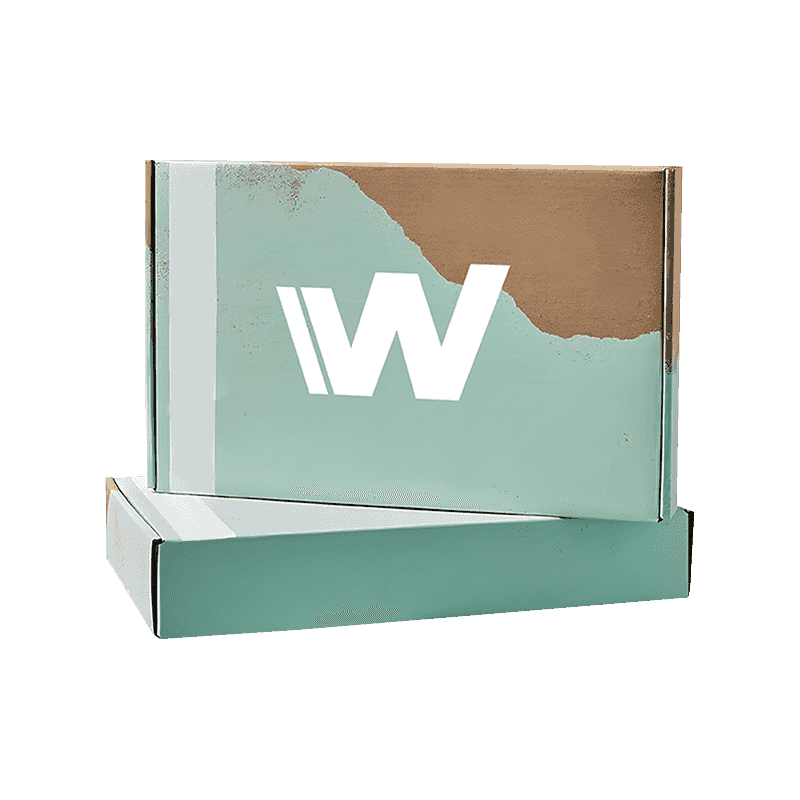
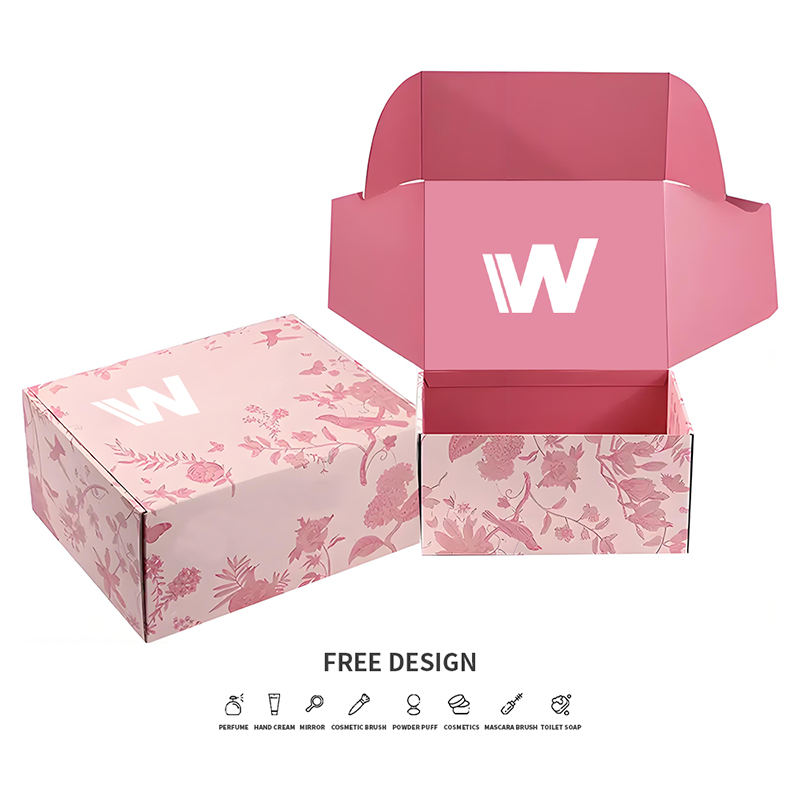
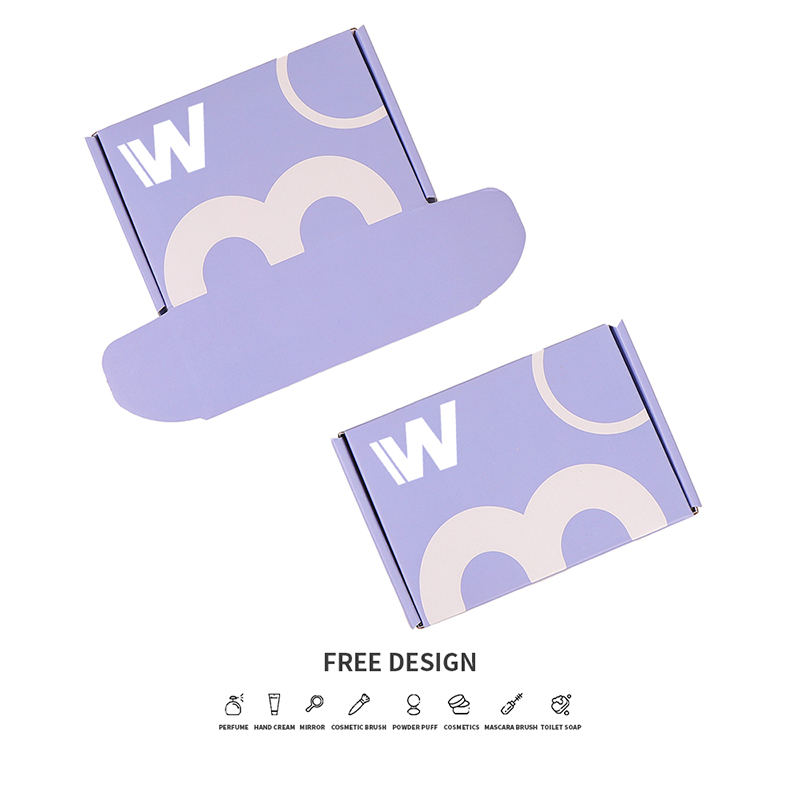
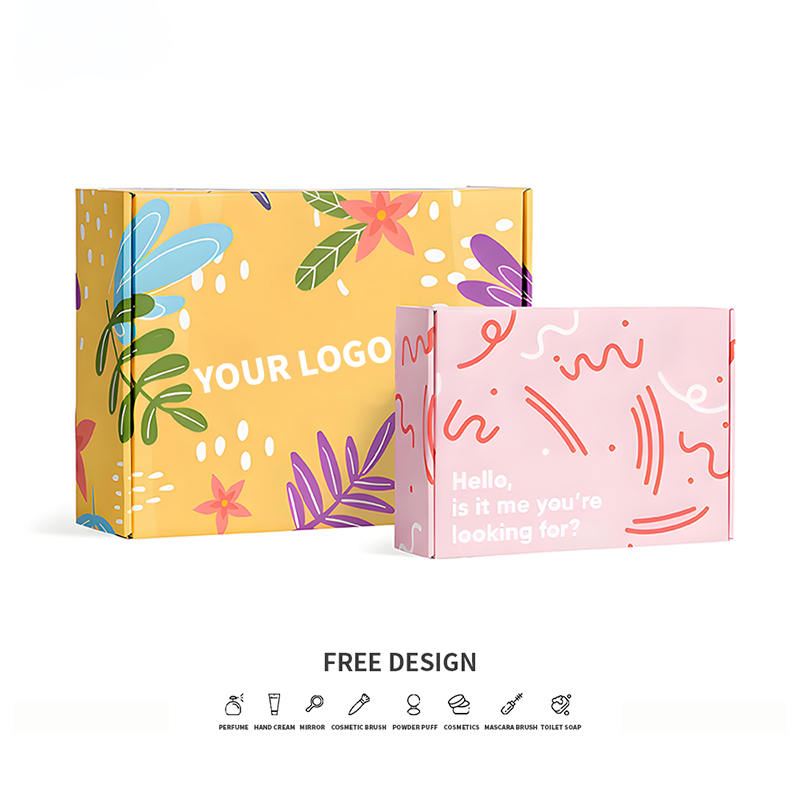
Prenez presque n'importe quel carton mince, un pain de savon, un tube de crème pour les mains, une boîte de biscuits, et vous tenez probablement une boîte inversée. Il s'agit de l'un des styles de boîtes pliantes les plus utilisés au monde, et les raisons sont pratiques : il est expédié à plat, se ferme sans colle et donne à une marque un panneau imprimé propre et ininterrompu sur l'étagère. Ci-dessous, notre équipe de Zhejiang Wenchen Packaging Technology explique ce qu'est réellement une boîte à repli inversé, en quoi elle diffère d'un carton à repli droit, quelles qualités de carton fonctionnent le mieux et ce qu'il faut confirmer avant de passer une commande. Qu'est-ce qu'une boîte inversée ? Une boîte inversée est un carton pliant d’une seule pièce découpé à partir d’un seul flan plat et collé le long d’une couture latérale. Il comporte deux rabats, l'un fermant l'ouverture supérieure et l'autre fermant le bas, et le mot inversé décrit l'endroit où ces rabats sont articulés. Sur un carton à extrémité repliée inversée (RTE), le rabat supérieur est fixé à un panneau et le rabat inférieur au panneau opposé, de sorte que les deux rabats se replient dans des directions opposées lorsque la boîte est fermée. Sur un carton à extrémité repliée droite (STE), les deux rabats sont articulés sur le même panneau et se replient de la même manière. Cette seule différence structurelle modifie le comportement du carton en production. Étant donné que les rabats sont inversés, la boîte peut être chargée et fermée des deux côtés, les deux faces fermées restent plus plates sous la charge et les deux rabats n'interfèrent pas l'un avec l'autre sur une ligne de remplissage à grande vitesse. De petits rabats anti-poussière sur les côtés de chaque ouverture maintiennent le rabat une fois qu'il est poussé vers l'intérieur, c'est pourquoi une boîte à repli inversé bien conçue reste fermée sans ruban adhésif ni adhésif. Tuck inversé ou Tuck droit : comment choisir Le tableau ci-dessous résume les styles que vous êtes le plus susceptible de comparer. Si votre produit est léger, rectangulaire et vendu en rayon, RTE ou STE fonctionneront généralement. Les facteurs décisifs sont la manière dont le carton est rempli, le panneau qui fait face au client et le comportement des rabats lorsque la boîte est bien emballée. Tableau 1 : Comparaison des cartons à repli inversé avec d’autres styles de cartons pliants courants. Modèle en carton Position des volets Comportement de fermeture Utilisation typique Fin repliée inversée (RTE) Rabats supérieur et inférieur articulés sur des panneaux opposés Les rabats se replient dans des directions opposées ; les deux extrémités se ferment à plat Cosmétique, confiserie, pharmacie, petite quincaillerie Extrémité repliée droite (STE) Les deux rabats sont articulés sur le même panneau Les rabats se replient dans une direction ; simple et économique Pochettes, produits de détail très légers, packs promotionnels Haut rentré, bas automatique Dessus repliable, base anti-collision La base s'ouvre à la main, aucun repli requis Boîtes de vente par correspondance et d'abonnement nécessitant un remplissage rapide Extrémité scellée Pas de rabats repliables ; les extrémités sont collées Fermeture la plus forte, mais à sens unique Emballages de vente au détail plus lourds ou inviolables En pratique, les cartons à repli inversé ont un bord là où les deux extrémités du paquet doivent se fermer à plat et rester à plat, comme un carton étroit posé sur un bord d'étagère ou un paquet de barres manipulé à plusieurs reprises dans un magasin. Les cartons droits restent l’option la plus économique pour les articles très légers et les pochettes simples. L'anatomie d'une boîte inversée Connaître les pièces est utile lorsque vous examinez un dessin ou discutez d'un devis avec un convertisseur. Rabat repliable : la languette incurvée qui se replie dans l'ouverture et verrouille le carton fermé. Rabats anti-poussière : les deux rabats latéraux glissent derrière le rabat, empêchant ainsi la poussière d'entrer et la fermeture serrée. Panneaux avant et arrière : les faces les plus grandes, généralement les panneaux imprimés de la marque. Panneaux latéraux : les faces étroites et là où se trouve la couture collée dans la plupart des configurations. Rabat de colle : une bande étroite collée sur le panneau opposé pour former le tube. Lignes de cassure : plis qui définissent chaque pli et contrôlent le caractère carré de la boîte finie. Le plan de découpe et de rainage est le document le plus important du projet, car une fraction de millimètre au mauvais endroit apparaît comme un carton qui ne se ferme pas correctement. Si vous souhaitez une introduction en langage simple sur la façon dont ces dessins sont construits, notre guide du dieline dans l'emballage explique les conventions et les contrôles qui permettent de détecter rapidement les problèmes. Matériaux : quelle planche convient à une boîte inversée ? La plupart des boîtes à repli inversé sont fabriquées à partir de carton plutôt que de carton ondulé épais, car les rabats doivent fléchir et le carton doit rester mince. Le choix du carton détermine la qualité d’impression, la rigidité et le coût. Tableau 2 : Qualités de carton courantes utilisées pour les cartons à repli inversé et où chacune d'elles fonctionne le mieux. Qualité du conseil Étrier typique Caractéristiques Bon ajustement pour SBS (sulfate blanchi solide) 12 à 24 points Blanc brillant des deux côtés, excellente impression, qualités pour contact alimentaire disponibles Cosmétiques, confiserie, pharmacie CRB (carton recyclé enduit) 14 à 24 points Verso gris, bonne impression, moindre coût Produits secs, quincaillerie, articles ménagers Kraft ou non couché 14 à 18 points Aspect naturel, signal environnemental fort Cuisine artisanale, cadeaux, marques naturelles E-flûte ondulée Env. 1,5 mm Plus de résistance à l'écrasement, mais se plie toujours proprement Cartons de type courrier, articles de consommation plus lourds Si votre produit a besoin de plus de protection que ce que le carton peut offrir, une structure à micro-cannelures peut être produite dans la même forme de repli inversé. Lorsqu'un tirage nécessite quelque chose de plus spécifique, notre équipe d'emballage personnalisé peut élaborer des spécifications de carton et de boîte autour des dimensions de votre produit et de votre méthode de remplissage. Où les boîtes de repli inversé sont utilisées Le style convient à presque tous les produits légers, rectangulaires et vendus dans un environnement de vente au détail ou par correspondance. Les catégories courantes incluent : Confiseries, biscuits, thé et café Cosmétiques et soins personnels Médicaments et dispositifs médicaux en vente libre Petits appareils électroniques et accessoires Quincaillerie et pièces de bricolage Friandises et suppléments pour animaux de compagnie Alimentation et confiserie Les biscuits, les barres de chocolat, les sachets de thé et les capsules de café sont tous confortablement placés dans un carton inversé, et un carton de qualité alimentaire avec un traitement résistant à la graisse est généralement la bonne réponse lorsqu'il s'agit d'huiles. Boîtes d'emballage de biscuits ondulés Pause biscuits. Cela fait de l'amortissement contre la compression et les chocs une préoccupation plus importante que pour la plupart des emballages alimentaires, en plus des exigences de sécurité en matière de contact alimentaire qui... Voir le produit → Beauté et soins personnels Les soins de la peau, les savons, les échantillons de parfums et les coffrets cadeaux bénéficient de l'impression nette et des fermetures serrées que ce style offre, et la finition de surface peut être adaptée à la marque, du mat doux au look brillant. Boîte postale d'auto-soins Blush Dot Nous avons conçu cette boîte aux lettres pour qu'elle ressemble à un petit cadeau dès son arrivée, en dispersant des points de blush et de rose sur une base rose chaud plutôt que d'en chercher un seul f... Voir le produit → Packs Santé et Médical Les cartons pour masques, thermomètres et articles similaires nécessitent des fermetures propres, des instructions imprimées clairement et des dimensions constantes, série après série, ce que cette structure gère bien. Boîtes d'emballage de masques jetables ondulés L'emballage des masques doit protéger l'intégrité du produit pendant le transport et le stockage : l'humidité, la poussière et les dommages physiques peuvent compromettre les masques avant qu'ils n'atteignent un centre de soins. Voir le produit → Considérations relatives à la conception et à l'impression Gardez l'illustration à 3 mm à l'intérieur de la garniture de tous les côtés et prolongez le fond perdu au-delà de la ligne de coupe. Laissez suffisamment d’espace autour des lignes d’entaille pour que le texte plié ne fissure pas le revêtement. Contrôlez la profondeur du rabat : trop peu profond et la boîte s'ouvre, trop profonde et elle se déforme. Choisissez un revêtement ou un vernis qui résiste à des ouvertures répétées, et pas seulement qui semble beau dans un échantillon. Placez les codes-barres et le texte réglementaire sur un écran plat plutôt que sur un pli. Confirmez le sens du grain afin que les rabats se plient facilement et que le carton reste carré. Durabilité et recyclage Les boîtes inversées sont déjà un format à faible déchet. Ils utilisent un seul morceau de carton, ils n’ont pas besoin d’adhésif pour se fermer et ils sont expédiés à plat, ce qui signifie beaucoup moins de camions sur la route que des boîtes rigides pré-collées. Sur la plupart des marchés, les cartons imprimés ordinaires sont acceptés dans les flux de recyclage du papier. Lorsqu'une marque souhaite une affirmation plus forte, nous pouvons discuter de carton provenant de sources certifiées responsables et de revêtements à base d'eau plutôt que de laminage plastique, afin que l'emballage reste facile à recycler après utilisation. Une liste de contrôle de commande pratique Mesurez votre produit à son point le plus large et ajoutez un espace libre pour un ajustement confortable. Décidez quel panneau portera l’illustration principale de la marque et quelle extrémité sera ouverte en premier. Confirmez la qualité de la planche, l’épaisseur et toute exigence de contact alimentaire ou de barrière. Approuvez la ligne de découpe avant l'impression, idéalement à partir d'un échantillon blanc uni. Demandez un BAT imprimé pour vérifier la couleur, la finition et la lisibilité du code-barres. Confirmez par écrit les quantités de cartons, la palettisation et le calendrier de livraison. Une boîte inversée est la preuve qu’une bonne conception d’emballage ne doit pas nécessairement être compliquée. Deux rabats aux extrémités opposées, une couture collée et une découpe bien contrôlée vous donnent un carton qui se remplit rapidement, se ferme fermement et présente un visage propre au client. Si vous comparez ce style à une autre option, ou si vous avez besoin d'un carton construit selon vos propres dimensions et illustrations, nos ingénieurs et notre équipe d'impression se feront un plaisir de travailler sur les détails avec vous et d'envoyer des échantillons avant que quoi que ce soit ne soit mis en production. .article-section table{display: table!important;}.article-section thead{display: table-header-group!important;}.article-section tbody{display: table-row-group!important;}.article-section tr{display: table-row!important;}.article-section th{display: table-cell!important;}.article-section td{display: table-cell!important;}.article-section caption{caption-side:bottom;font-size:16px;margin-bottom:12px;font-style:italic;color:#808080;}.article-section th{font-weight:bold;border:1px solid #cccccc;padding:8px;}.article-section td{border:1px solid #cccccc;padding:8px;text-align: center;}.article-section ol{margin-bottom:12px;list-style-type:decimal;list-style-position:inside;padding-left:0;}.article-section ul{margin-bottom:12px;list-style-type:disc;list-style-position:inside;}.article-section li{list-style:inherit;font-size:16px;margin-bottom:6px;}.article-section h2{font-size:22px;font-weight:bold;text-align:left;margin-bottom:12px!important;}.article-section h3{font-size:16px;font-weight:bold;text-align:left;margin-bottom:12px;}.article-section p{font-size:16px!important;margin-bottom:12px;} .product-card{display:block;margin:20px 0;border:1px solid #e5e7eb;border-radius:10px;overflow:hidden;font-style:normal;background:#fff}.pc-inner{display:flex;text-decoration:none;color:inherit;align-items:center;min-height:120px}.pc-img{width:160px;min-width:160px;aspect-ratio:4/3;height:auto;min-height:120px;object-fit:cover;flex-shrink:0;display:block;align-self:stretch}.pc-body{padding:12px 16px;flex:1;min-width:0;display:flex;flex-direction:column;align-self:stretch;justify-content:center}.pc-title{display:block;font-size:15px;font-weight:600;color:#111;margin:0 0 6px;line-height:1.4}.pc-desc{display:-webkit-box;font-size:13px;color:#6b7280;margin:0 0 8px;line-height:1.5;overflow:hidden;-webkit-line-clamp:2;line-clamp:2;-webkit-box-orient:vertical}.pc-cta{display:block;font-size:13px;font-weight:600;color:#0F9B04;margin-top:auto}.pc-inner:hover .pc-title{text-decoration:underline} .article-section a:not(.pc-inner),article a:not(.pc-inner){color:#0F9B04}.pc-cta{color:#0F9B04!important}



 English
  русский
  Français
  Español
  عربى
عربى  Emballage qui est attentif à votre satisfactionLire la suite
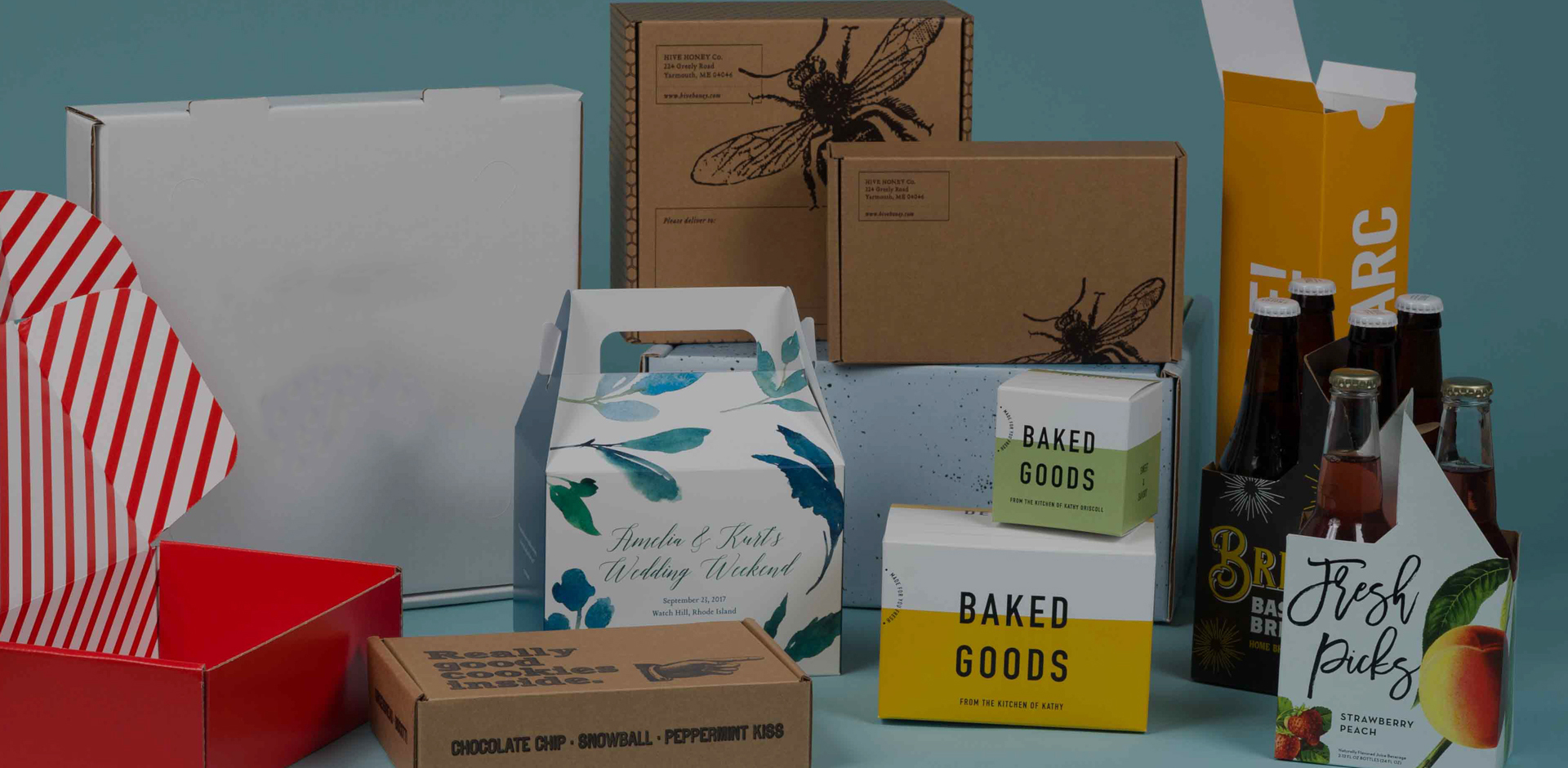 Personnalisez votre propre boîte d'emballage onduléLire la suite
 Wenchen Packaging construit une écologie durable avec vousLire la suite





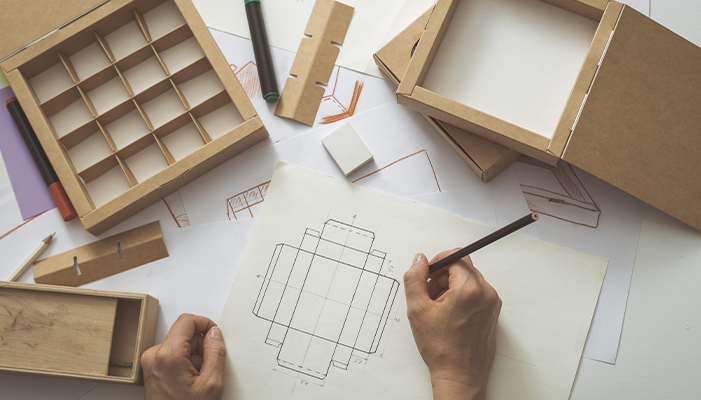
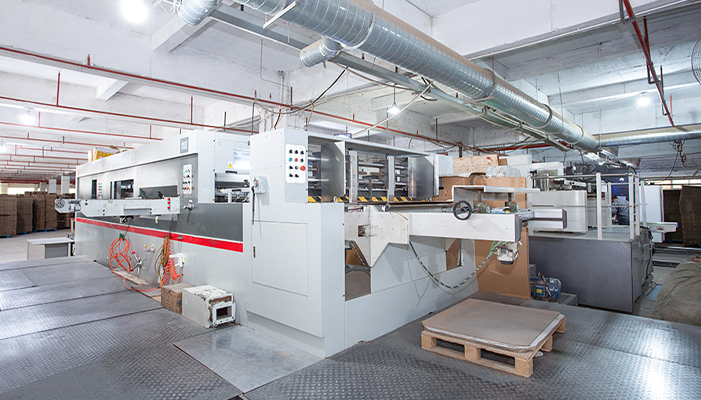
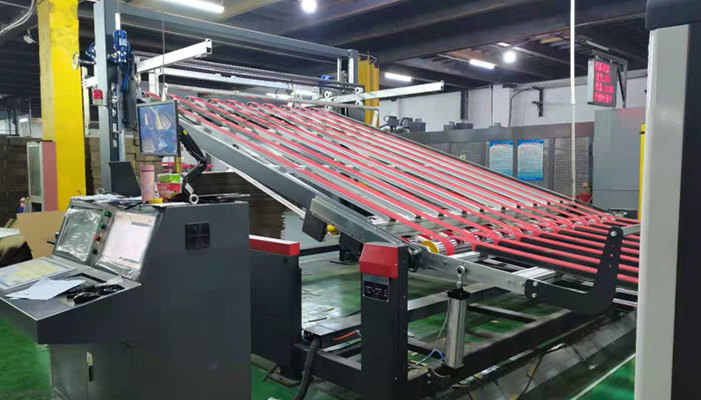
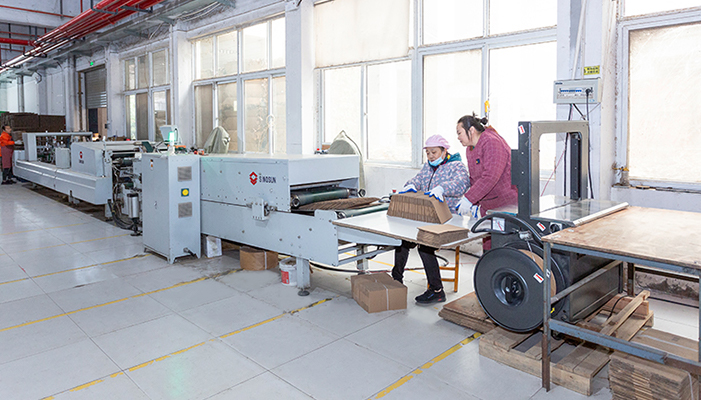
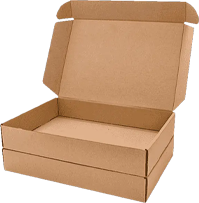
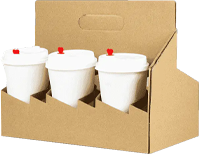


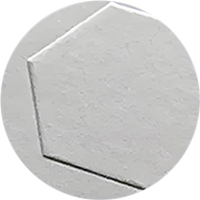
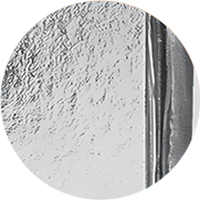



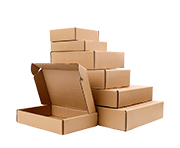
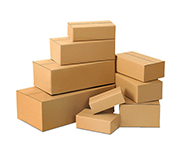
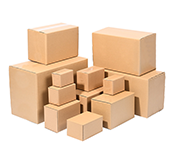
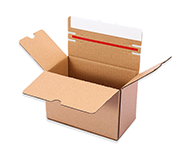
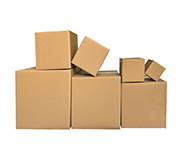
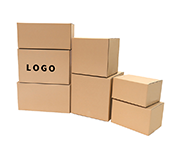

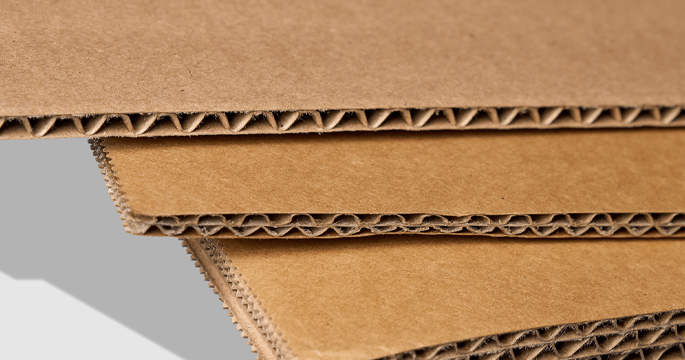 Le bord est clair et beau, et le sélectionné Le papier ondulé a une forte résistance à la compression
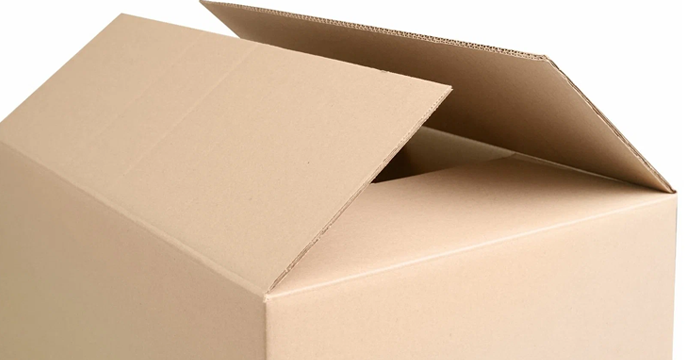 L'intérieur du carton est collé, l'apparence est soignée et la coupe des articles dans la boîte est soignée sans les endommager.
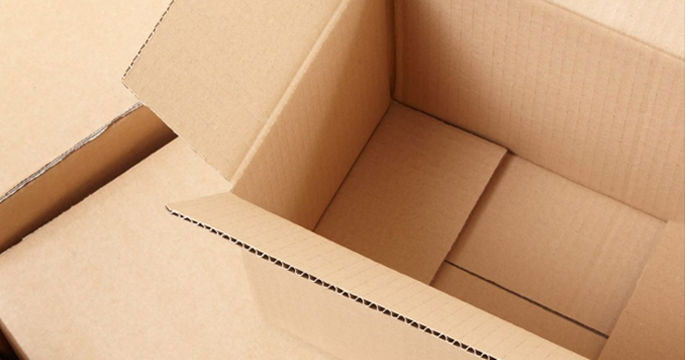 Structure soignée et belle et renforcée, pas facile à blesser vos mains, un emballage de confiance et sûr
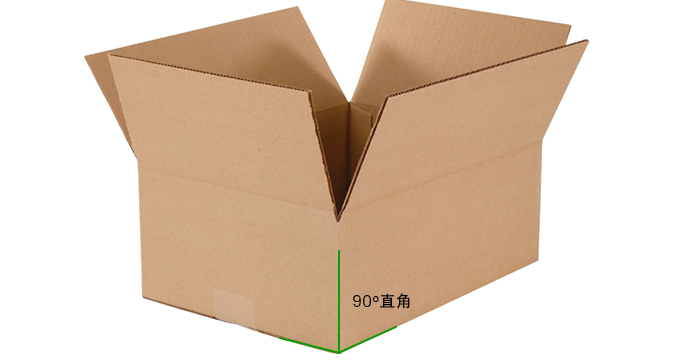 Processus de production standard, la boîte est scellée à un angle droit de 90 °, ce qui est plus résistant à la pression!